



Successfully Submitted
What Is Robotics and How Are Robots Changing the World Around Us?
By Vaishnavi E
July 21, 2026 (Last Updated) | 7 mins read
Have you ever seen a robot vacuum clean a room, or watched a video of a rover driving on Mars? That’s robotics at work! Robots are popping up everywhere, from hospitals to farms to outer space, and they’re changing the way our world works. Let’s look at what is robotics and how robots play a role in the world around us.
In simple words, what is robotics?
Robotics is the science of building smart machines called robots! These machines can sense things, think using a computer brain, and then do something all by themselves.
Robotics actually mixes three cool subjects together:
Engineering – builds the robot’s body, like its arms, wheels, or legs
Electronics – gives the robot sensors, so it can “see” or “hear”
Coding – gives the robot a brain, by telling it what to do
A robot can see, hear, or feel things using sensors. Then it decides what to do and moves, talks, or does a job, just like a helpful robot friend!
Types of Robots You See Every Day
Not all robots look like the ones in movies! Let’s look at some cool types of robots you might already know.
Household Robots
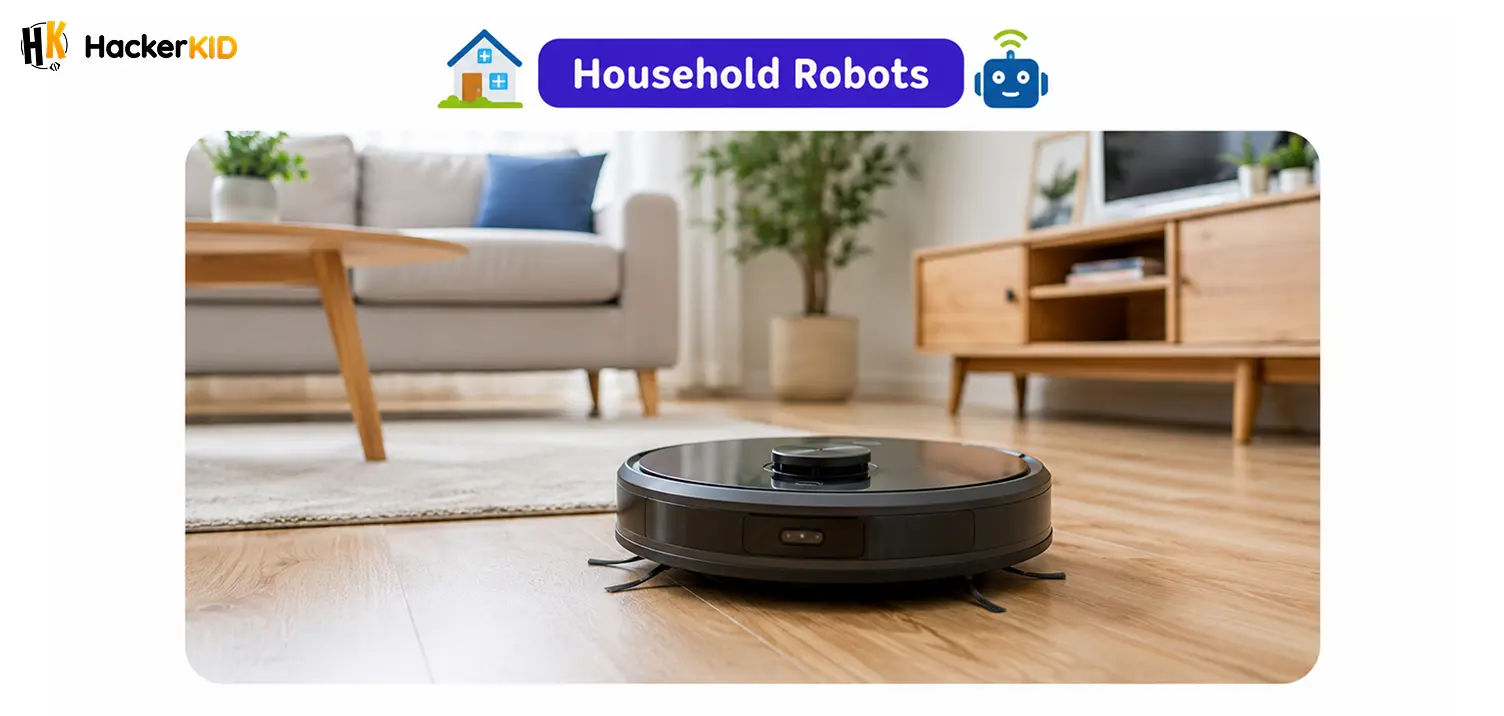
Robot vacuum cleaners zoom around your house all on their own, cleaning the floor without anyone pushing them. They can sense walls and furniture, so they never bump into things!
Medical Robots
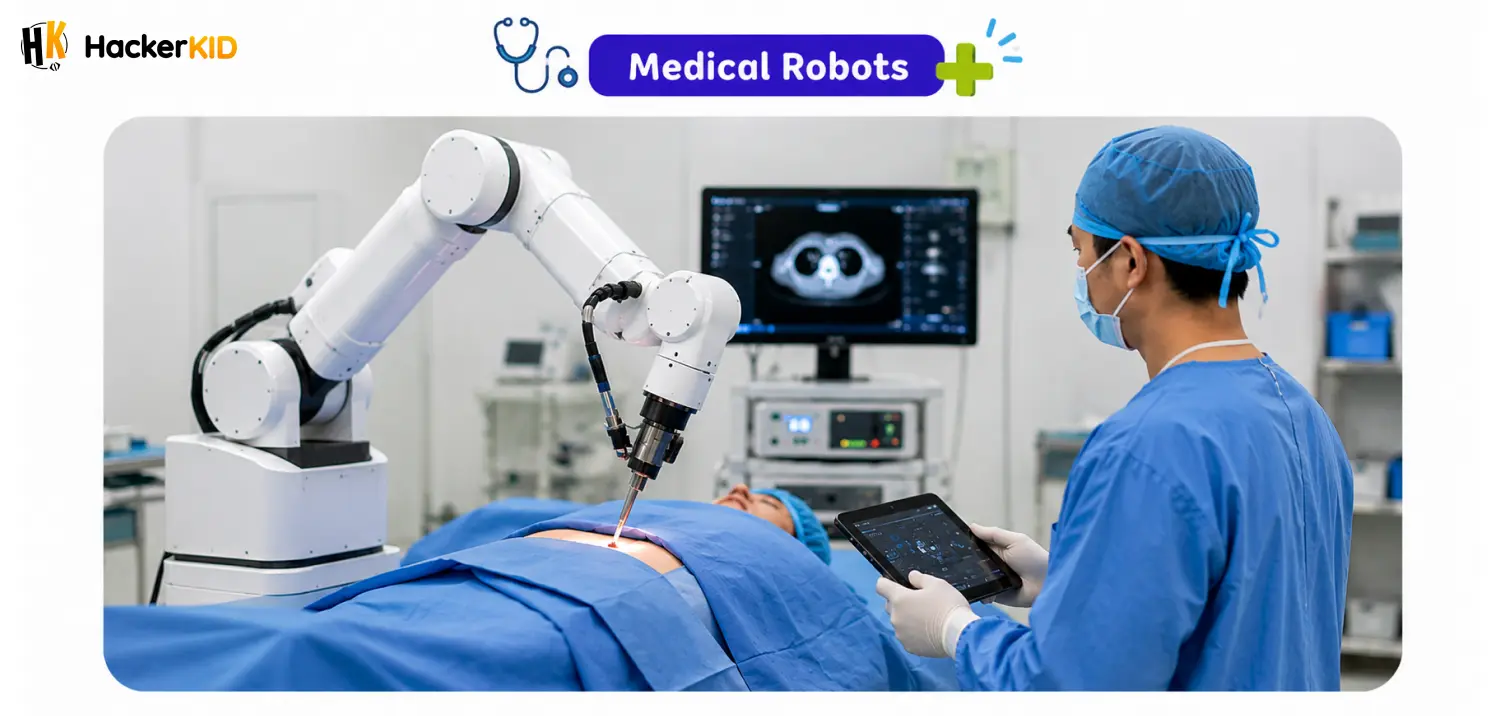
Some robots even help doctors during surgery! They make super tiny, careful cuts that help sick people heal faster and feel less pain.
Space Robots
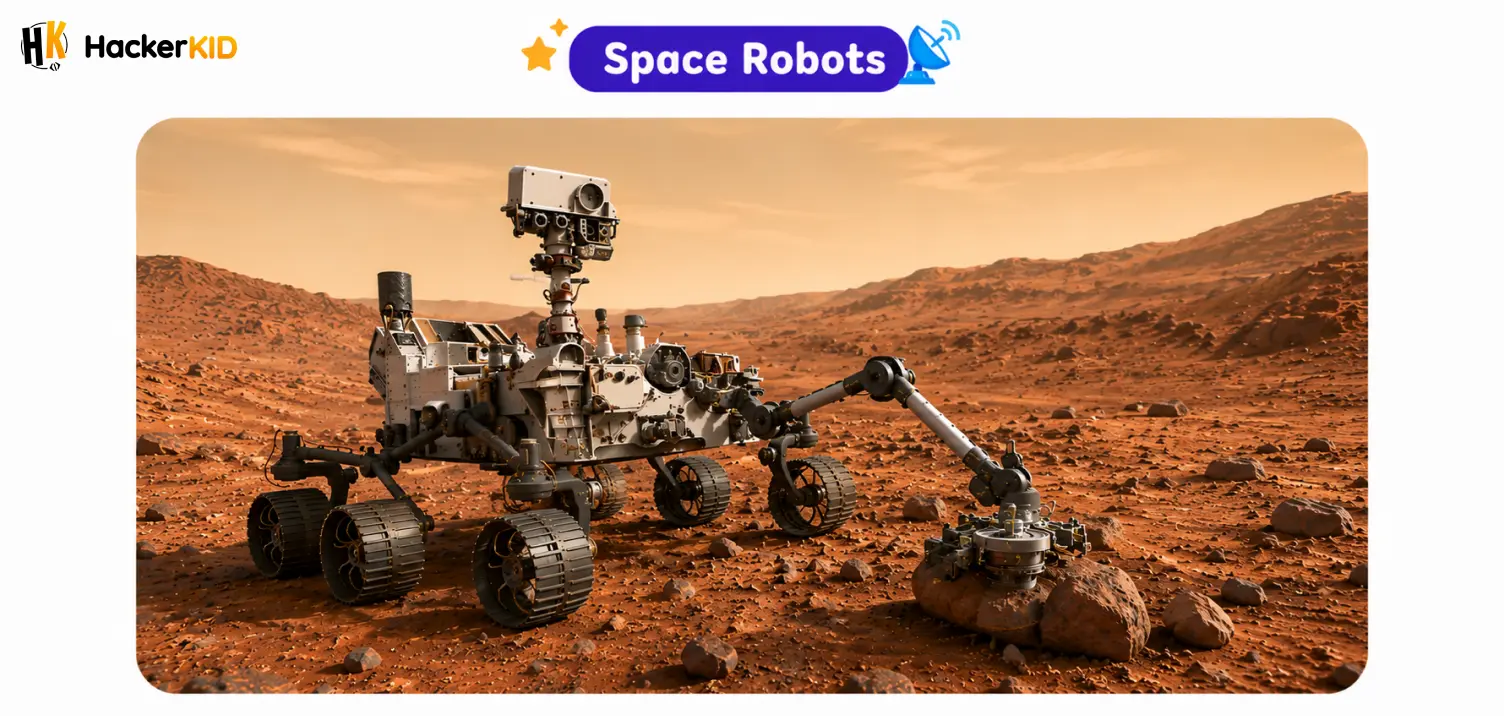
NASA sent robot rovers named Perseverance and Curiosity to explore Mars! They drive around, take pictures, pick up rocks, and send photos all the way back to Earth.
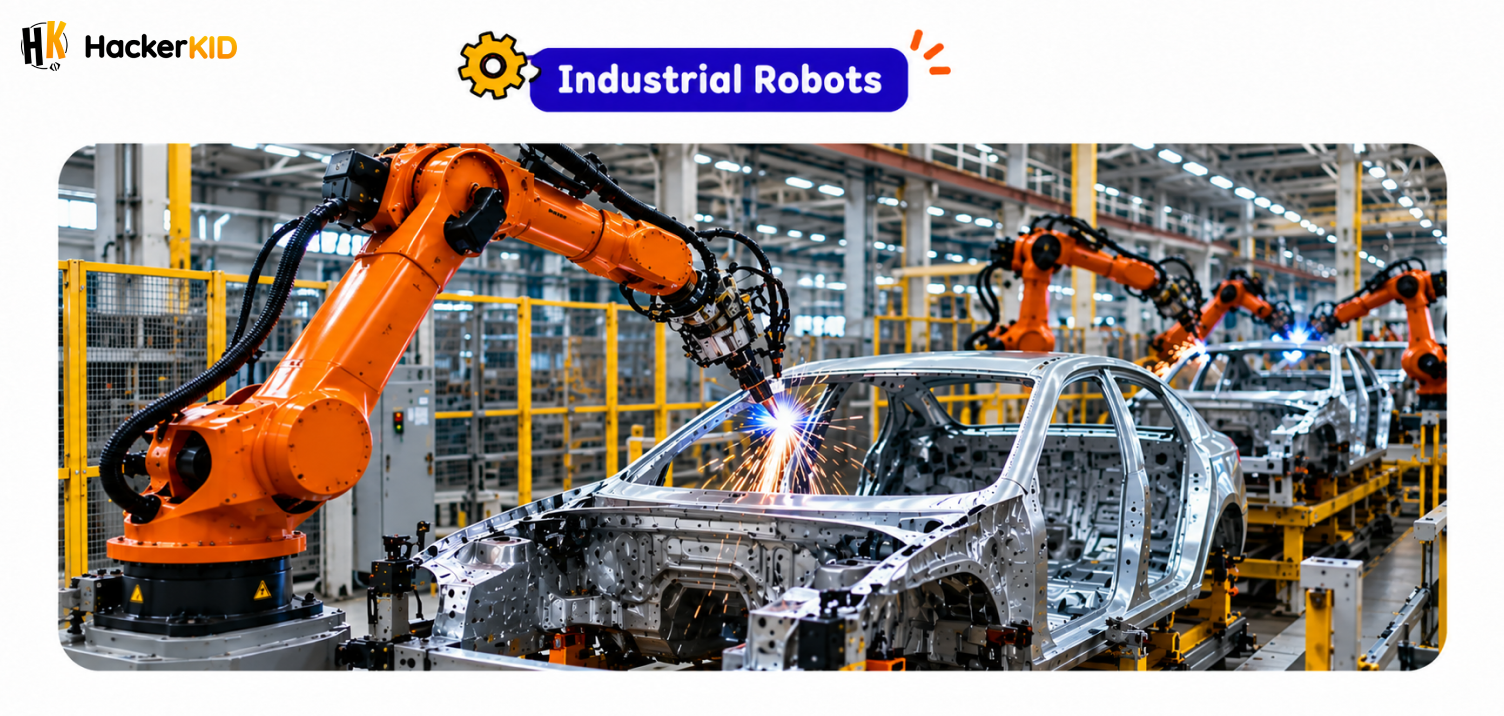
Industrial Robots
Big robot arms in car factories can weld, paint, and build cars super fast. They never get tired, and they hardly ever make mistakes!
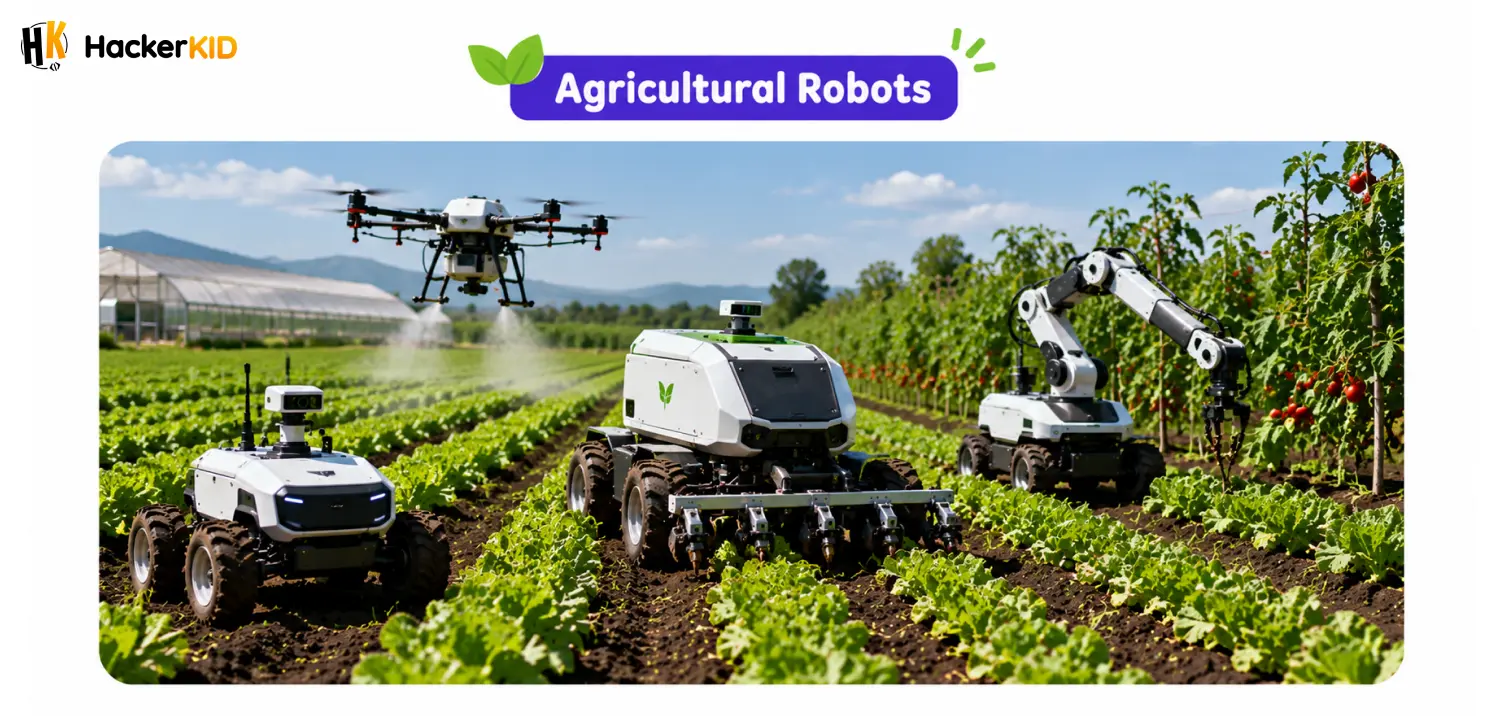
Agricultural Robots
Some robots help farmers plant seeds, pull out weeds, and pick fruits from trees. This helps grow more food using less water, which is great for our planet.
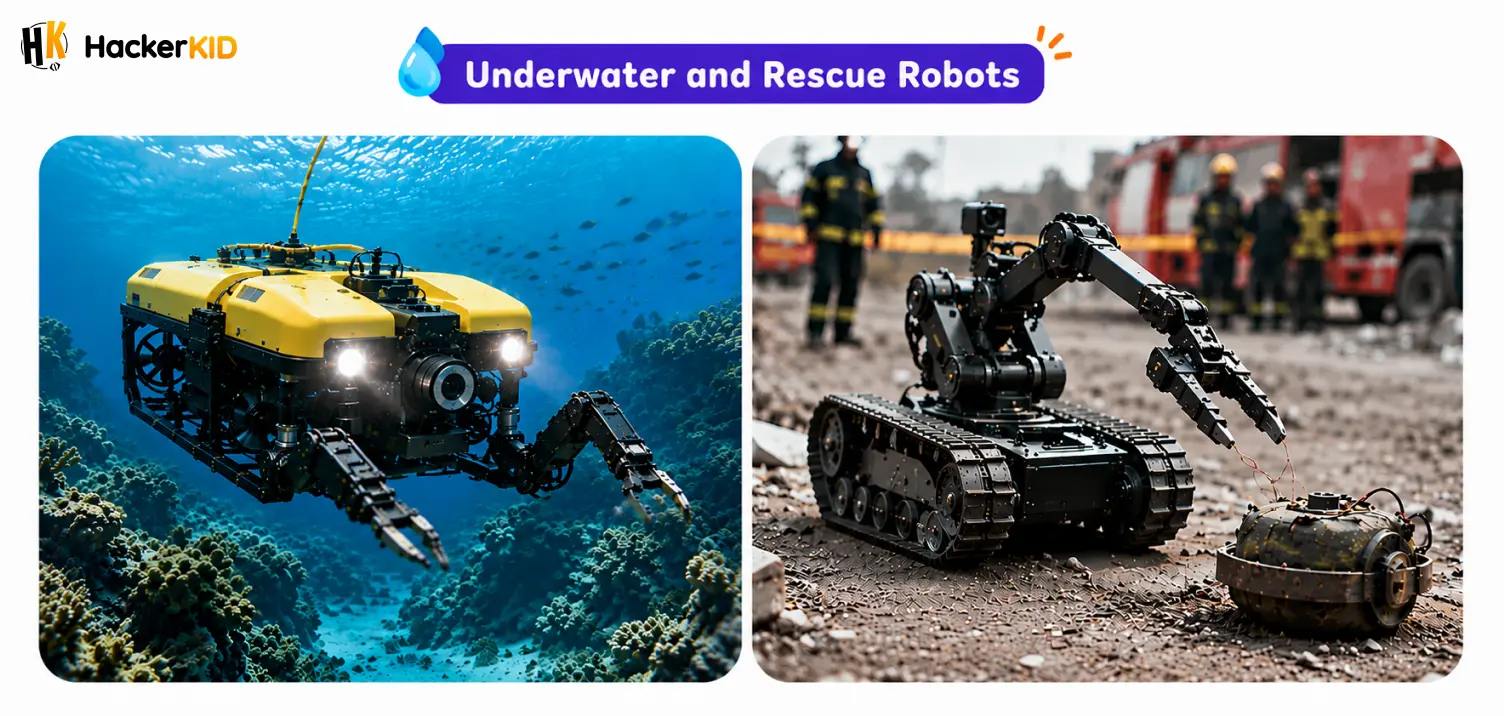
Underwater and Rescue Robots
Some robots dive deep into the ocean, places even divers can’t easily go. Other robots help handle dangerous things like bombs, so people stay safe.
How Does a Robot Actually Work?
Every single robot, big or small, works using the same three simple steps.
- Sense – The robot uses sensors, like cameras or microphones, to look and listen around it.
- Think – A tiny computer inside figures out what to do next, using a program a coder wrote.
- Act – The robot moves, talks, or does a task using its motors.
Think about a robot vacuum. It senses a wall, thinks “turn right!”, and then its wheels act by turning away. This same sense-think-act loop happens again and again, no matter what kind of robot it is.
Excited to go beyond the basics and build robots that can truly think? Explore our Advanced AI Robotics Course for Kids and take your skills to the next level!
Real-Time Examples of Robotics Applications
Robotics applications are all around you, once you start looking for them!
- Delivery robots roll along sidewalks, bringing food right to people’s doorsteps.
- Warehouse robots move shelves full of toys and books, helping your online orders arrive faster.
- Farming drones fly high above fields, checking which plants need water the most.
- Robotic exoskeletons, which are like wearable robot suits, help people who can’t walk stand up and move again.
- Voice assistants that answer your questions and play your favorite songs use the same smart brain technology, called artificial intelligence, that powers many robots!
See? Robots aren’t just in movies, they’re already part of your everyday life.
Benefits of Robotics
The benefits of robotics are amazing, and they help people in so many ways.
- Safety – Robots do scary, dangerous jobs like exploring deep oceans or handling bombs.
- Speed and accuracy – Factory robots build things faster and more carefully than human hands.
- Better healthcare – Surgery robots help doctors make tiny, gentle cuts that heal quickly.
- Improved farming – Robots help farmers grow crops faster and take better care of the land.
- Helping people move – Robotic arms and legs help people who need extra support live more freely.
- Working all day – Robots never get sleepy, so they can work all day and all night!
The Importance of Robotics in Today’s World
The importance of robotics keeps growing bigger every single year!
Robots are helping solve big problems, like growing food, keeping people safe, and helping doctors save lives.
As robots get smarter at sensing, thinking, and acting, they’re shaping how our future cities, hospitals, and homes will work.
That’s exactly why robotics for kids is such an exciting thing to learn about right now.
Learning how robots work today helps you build the amazing robots of tomorrow!
The Future of Robotics
Get ready, because the future of robotics is going to be even more exciting than today! Some smart robots now use something called machine learning, which means they get better by learning from their own mistakes.
It’s kind of like how you get better at riding a bike the more you practice.
In the next few years, here’s what we might see:
- Robots helping doctors during tricky surgeries
- Smart home robots that can cook, clean, and tidy up
- More robots exploring oceans and faraway planets
- Robots working alongside people in classrooms and factories
Companies everywhere are building better sensors, batteries, and robot brains right now. This means robots will keep becoming more helpful and more common in our everyday lives.
The future of robotics really depends on curious kids like you, who are ready to design and build the next big robot invention!
Why Kids Should Learn Robotics
You don’t need to be a scientist in a big lab to learn robotics! Learning through educational robotics programs helps kids build super useful skills.
Skills Kids Learn Through Robotics
- Problem-solving – figuring out why your robot isn’t working the way you wanted
- Creativity – thinking of cool new ways for your robot to move or act
- Coding and robotics skills – writing instructions that bring your robot to life
- Teamwork – building awesome things together with friends
Learning through STEM education, which means Science, Technology, Engineering, and Math, helps you understand how the whole world works.
Explore our Advanced AI Robotics Course for Kids, where engineering, electronics, and coding come together in a hands-on, engaging way.
With simple coding tools, sensors, wheels, and building blocks, even a seven-year-old can build their very own robot!
Start Your Robotics Journey Today
Robots are already helping clean our homes, treat sick people, grow food, and explore space. And guess what? The next amazing robot invention could be dreamed up by a kid just like you!
So, what is robotics, really? It’s the exciting science of building smart machines that sense, think, and act, and anyone can learn it.
Understanding what is robotics is your very first step toward becoming an inventor. The world needs curious kids like you to explore robotics applications, discover the benefits of robotics, and build the future of robotics with your own big ideas.
Your robotics adventure can start right now!
FAQs
💬 Quick Answers 1. What is robotics?
Robotics is a branch of science where people design and build clever machines known as robots. These robots are given a computer brain so they can notice things around them, make a choice, and then carry out a task all on their own.
2. What are the different types of robots?
There are many types of robots, including household robots, medical robots, space robots, industrial robots, agricultural robots, and underwater robots. Each type is built to do a specific job in a specific place.
3. How do robots work?
A robot starts by picking up information about its surroundings using its sensors, almost like using its eyes or ears. A tiny computer inside then figures out what to do, and the robot finishes the job by moving, speaking, or performing an action.
4. Can robots think or feel like humans?
No, robots cannot feel emotions like happiness or sadness the way people do. They can only follow instructions and make decisions based on the program a coder has written for them.
5. What are the benefits of robotics?
Robotics offers many benefits, like improved safety, greater accuracy, and better healthcare. Robots can also keep working for hours without a break, since they don’t get tired the way people do.
6. What is a real-world example of robotics?
A great example is a robot vacuum cleaner, which senses walls, decides which way to turn, and then moves around the room to clean it. Mars rovers are another example, since they explore space and send information back to scientists on Earth.
7. At what age can kids start learning robotics?
Kids can start learning robotics as young as seven years old! Beginner-friendly kits, sensors, and simple coding tools make it easy for young learners to get started.
8. Can kids build their own robots?
Yes, absolutely! With a hands-on robotics course for kids, children can start with simple robots and work their way up to more advanced projects as they learn.
Table of Contents
In simple words, what is robotics?
Types of Robots You See Every Day
How Does a Robot Actually Work?
Real-Time Examples of Robotics Applications
Benefits of Robotics
The Importance of Robotics in Today's World
The Future of Robotics
Why Kids Should Learn Robotics
Start Your Robotics Journey Today
FAQs


Related Posts
10 Easy Robotics Projects for Kids to Try (Beginner Level)
You might feel building a robot is hard, but it is easier than you think. With just a few basic …
July 21, 2026 | 8 mins read
Read More
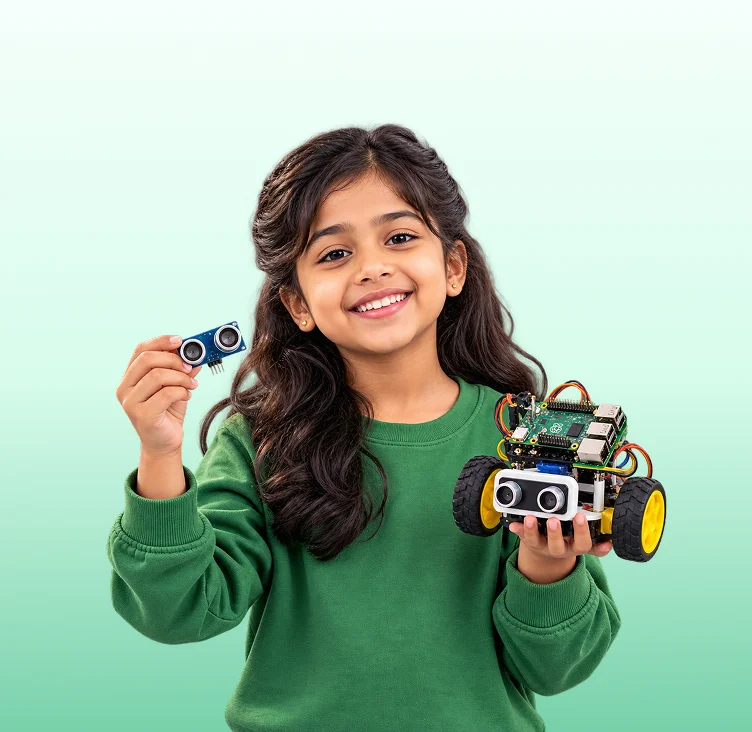
What Are Robot Sensors and How Do Robots Use Sensors to Interact With the World?
Close your eyes for a second. Now try to walk across your room. Hard, right? You might bump into a chair …
July 21, 2026 | 7 mins read
Read More
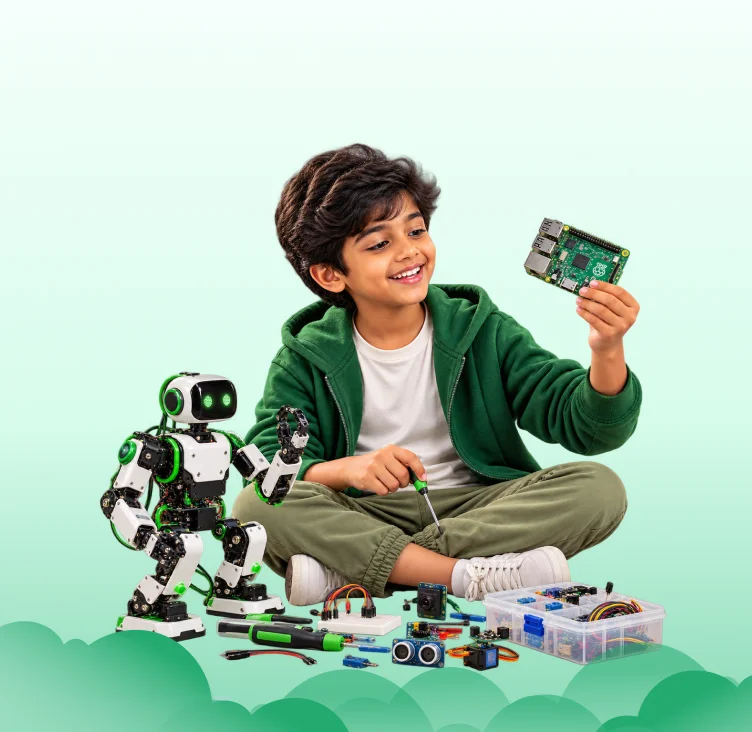
What Is Raspberry Pi for Kids and How Can Kids Use It to Build Robotics Projects?
Technology gives children exciting ways to create, experiment, and solve problems. Raspberry Pi for kids makes this possible by combining …
July 21, 2026 | 8 mins read
Read More